Volunteering & Engagement
Debate on conscription and civilian service
ASB campaigns for strengthening the voluntary services
In 2025, more than 1,500 people volunteered in the ASB in the youth voluntary services and the Federal Volunteer Service, providing indispensable support in areas including care, emergency medical services, child and youth welfare and civil protection. A successful concept that shows: engagement thrives on voluntariness and meeting on an equal footing. Instead of a new compulsory service, the ASB therefore calls for targeted strengthening of, and equal status for, the existing voluntary services.
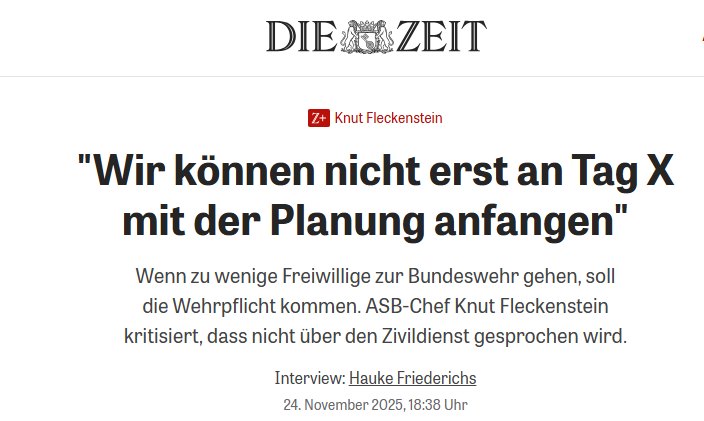
In 2025, Germany debated intensively the introduction of a compulsory national service for young adults. In view of geopolitical uncertainty, a critical look at the personnel strength of the Bundeswehr was brought into focus, among other things.
A modern service system with a commitment to voluntariness
The provisional conclusion at the end of the year was the Military Service Modernisation Act (WDModG), with a commitment to voluntariness. As a result, since 1 January 2026, people with German citizenship receive a questionnaire on military registration on their 18th birthday. It asks about willingness and ability to perform military service. If the mutual matching is successful, the door to basic military service in the Bundeswehr is open. Should the agreed personnel strength of the Bundeswehr not be reached with the voluntary model, needs-based conscription can be ordered. As a consequence, civilian service would also be reintroduced.
“We do not see ourselves in competition with the Bundeswehr. But we must nevertheless ensure that the existing voluntary service remains attractive if conscription comes.”
Voluntary services as a pillar of civic engagement
The Federal Volunteer Service (BFD) came into being in 2011 following the suspension of military and civilian service, as an open, cross-generational format that to this day complements the existing youth voluntary services (FSJ, FÖJ and others). The services combine social responsibility with personal education and motivation – and have long since established themselves as a pillar of civic engagement.
The ASB has good experiences with these special forms of voluntary engagement, which benefit the ASB’s work in many ways. A survey of ASB volunteers in the voluntary services in summer 2025, for example, showed that 20 per cent of respondents will stay with the ASB in a professional capacity after their service ends.
In the debate on military service and compulsory models for young adults, the ASB speaks out against the introduction of a general compulsory service and instead calls for strengthening the existing voluntary services. A modern service system offers young people attractive choices for any form of engagement, whether in civil society or in the Bundeswehr. In both areas, volunteers make an important contribution to strengthening a democratic society. Accordingly, voluntary engagement for society, whether in the Bundeswehr or within the framework of FSJ/BFD, should be placed on an equal footing – in recognition, attractiveness, resources and educational time.
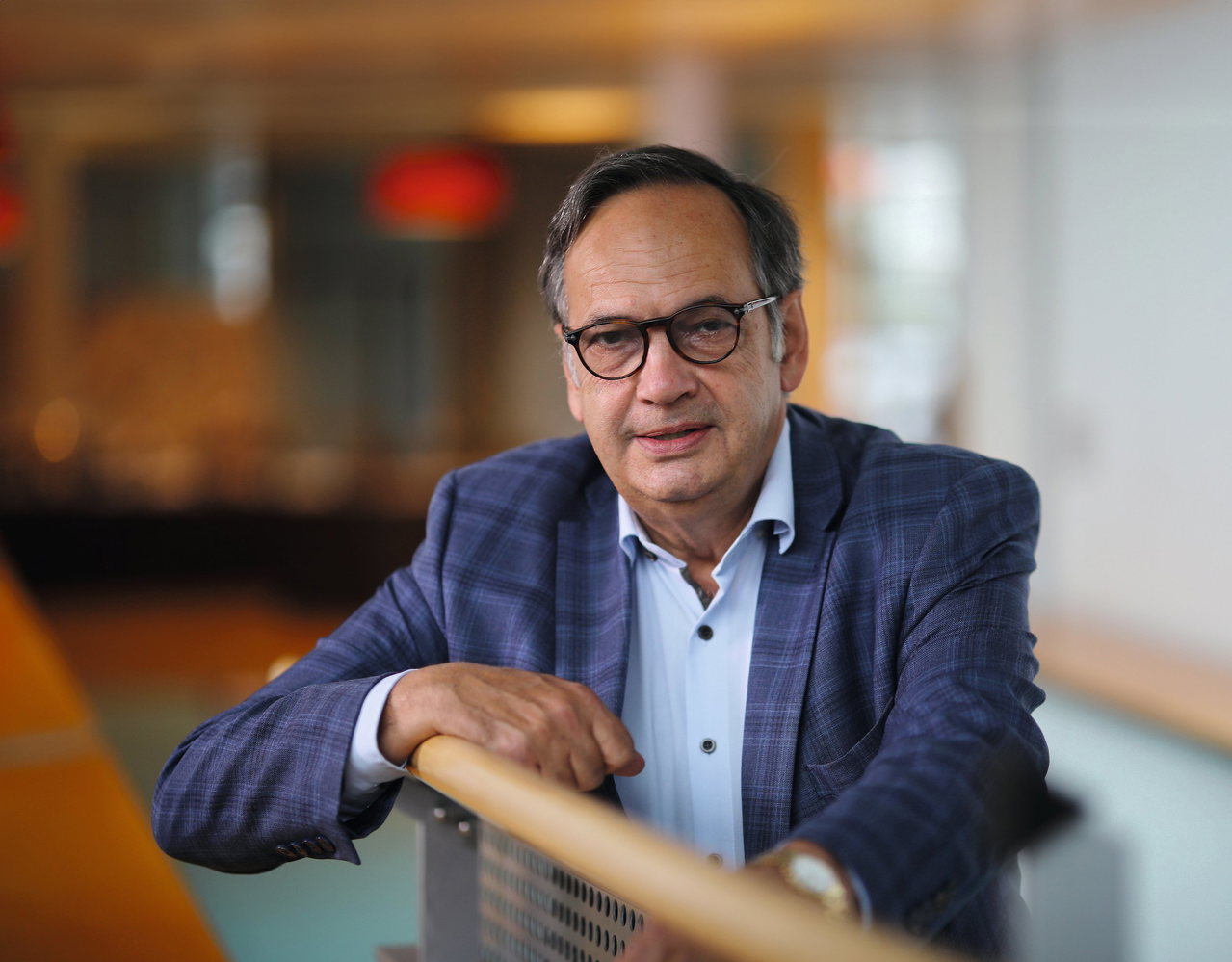
“With the Federal Volunteer Service and the voluntary social year, we already have a system that works. We demand that any possible civilian service builds on it. There is no need to invent new administrative structures in parallel.”
Knut Fleckenstein
ASB Federal Chair in an interview with DIE ZEIT

ASB Yearbook 2025 · A Year of Impact
Annual report of the Arbeiter-Samariter-Bund Deutschland e. V.
Sülzburgstraße 140 · 50937 Köln · Telephone (0221) 4 76 05-0 · info@asb.de
© 2026 Arbeiter-Samariter-Bund Deutschland e. V. · Editorial team: Communications and Public Affairs department · Cover image: Florian Büttner